Monday, June 15, 2015
Roy Ancestory Name Chatellerault
Noel Roy the last Chatellerault
Noel Roy was the last generation to carry the name "Chatellerault". This name was carried from France with Michel and was handed down from father to son. It is assumed that the name must have carried a certain pride of respect for the town in France from which the family name came. .
Noel Roy married Celeste Wyble on November 9, 1802 in the Opelousas area. Their marriage certificate is written in Spanish. Spain had ceded control for Louisiana back to France in 1800. Evidently the priest at the St. Joseph Church was of Spanish descent or education. The Spanish influence would continue even after 1803 when the territory was sold to the United States. .
Noel and Celeste had 14 children. There are indications that Noel was a farmer most of his life. It was probably cotton since cotton was the main money crop of that time with possibly cattle. .
No date was found for his death but it is estimated between 1860 and 1865. With the passing of Noel thus the name "Chatellerault" ended.


Wednesday, June 10, 2015
French American Song
The songs and music of French Americans are tied to a complex history, which resulted in a diaspora of French-speaking people in several regions of what is now the United States. The story is further complicated through contact among French-speaking people of different histories, as well as subsequent contact with settlers from other countries and their descendants.
The French began establishing their formal claim to the Mississippi River basin in the late seventeenth century, with the first settlement of Cahokia, in present-day Illinois, in 1699. Prior to this, French fur trappers had made use of the river and established trade relations with American Indian tribes, and missionaries had arrived to preach to them. As the British and Spanish established colonies on the southern and eastern coasts of North America, forcing the French out of most of the ports through prior claims and warfare, the French focused their attention on colonizing the Mississippi and maintaining control of its port in present day New Orleans, Louisiana. The French retained their settlements in Newfoundland, the surrounding shores of the Hudson Bay, and part of the area they had called "Acadia," specifically the southern peninsula of what is now Nova Scotia and adjacent ports in New Brunswick. They ceded these regions to Great Britain in 1713 (though in subsequent battles they attempted to re-establish French ports in Nova Scotia), but retained their colonies in what are now Cape Breton Island (Nova Scotia), Prince Edward Island, and Quebec until 1763.
The French territory in what became the United States included the Mississippi Valley and all of its tributaries extending from the Canadian border to the Gulf of Mexico, a vast area that was called Louisiana. Referring to this original territory, the descendents of French colonists who settled along the Mississippi River in what is now Illinois, Missouri, and Indiana still call their region "Upper Louisiana."
Upper Louisiana included the earliest successful settlements of the French in what is now the United States. French is still spoken by descendents of the original settlers in the region, and the music includes both tunes and songs composed by French Americans and music colonists brought with them from France. Bands that preserve this music usually include a variety of stringed instruments and voice. The people refer to themselves as "French Creoles," meaning French people born in the new world, and the music is by extension called "French Creole Music." (Some make a further distinction between "French songs" brought from France and "French Creole songs" composed in North America, but this distinction is not universally recognized.)
The French-language music and songs of the central Mississippi basin were influenced by the music of settlers from other countries who followed the French, particularly the Irish and English settlers. Other "home grown" adaptations are apparent in the use of various stringed instruments. Some, like the violin and bass fiddle, were commonly used by the French, Irish, and English, while the Italian mandolin and the African American banjo were instruments that became widely available by mail order in about 1900 and began to be used by many ethnic groups other than those that originated them, including the French. The songs of the region include traditional dance songs performed at "boullions," or house parties, as well as ballads that tell stories of the French settlers in the region. Though this key region of French culture in America is often overlooked, the saying of the people in this region is "On est toujours icitte: We are still here!"
This presentation includes the webcast of a concert at the Library of Congress by Dennis Stroughmatt and his band, l'Espirit Creole, in 2012. As he began his career as a musician, Stroughmatt's ambition was to learn to perform music, songs, and ballads that would help revitalize the musical heritage of the descendants of French settlers in the Central Mississippi River region. He studied his own musical heritage extensively by performing with local musicians of previous generations and recording their folk songs and stories. He also made expeditions to study French folk music and song in New Orleans and Quebec, Canada.
The vital port city of New Orleans was established in 1718. As a result of its defeat in the Seven Years' War (1756-1763), France ceded the territory west of the Mississippi to Spain and the areas east of the river to Great Britain in 1763. During this period Spain took control of the strategic port of New Orleans, briefly giving the United States the right to use the port between 1795 and 1798. As a result of a war between France and Spain, France took back the province of Louisiana in 1800. The volatility of relations between France and Spain, the value of the Mississippi as a waterway for transportation and commerce, repeated negotiations to use the port at New Orleans, and the desire to establish settlements in the territory all led to a strong United States interest in Louisiana. In 1803 the territory changed hands for the last time, when the United States bought Louisiana from France.
African Americans who settled in what is now Louisiana came from diverse backgrounds. Some were brought as slaves during the French and Spanish colonial period or brought in by settlers after the Louisiana Purchase. Under Spanish rule, slaves were allowed to buy their freedom, leading to an early population of free Blacks in southern Louisiana. People of African descent also came from the Caribbean, including French-speaking islands. During the revolution in Haiti between 1789 and 1791, French-speaking Haitians who fled the violence often chose the Louisiana coast as a destination.
People of African descent in Louisiana today often also have French or Spanish ancestry, or both, and one of the meanings of "Creole" in Southern Louisiana is people of this mixed heritage, sometimes called "Black Creoles" to distinguish them from the French "Creoles," American-born French who do not have African ancestry. French-speaking African Americans in Louisiana have a developed a unique variety of musical styles that bring together elements of African, Caribbean, and French music and song, and sometimes influences of other ethnic groups of the region. Some French folk songs are shared among the French-speaking people of different backgrounds. For example, a Black Creole version a folk song that originated in France, "Je veux me marier," sung by Jimmy Peters, was collected by John and Alan Lomax in Louisiana in 1935. An English-language version of a Black Creole funeral shout also recorded by the Lomaxes, "Rockaway," sung by a group led by Jimmy Peters in 1934, provides an example of the African Caribbean drumming style that has been incorporated into the Black Creole repertoire.
The next chapter in French American music and song is also the next chapter in Canadian and American colonial history. After France ceded its claims to the Maritime Provinces of what is now Canada in 1713, French settlers in the region, called Acadians, lived under British rule for forty-five years. But during a campaign against the French colony of New France, the British carried out what came to be called the Great Expulsion (or Le Grand Dérangement) of 1755–1763. Approximately 11,500 Acadians were expelled from the Maritime Provinces, their lands confiscated, and in some cases their houses were burned. Some of these settlers were deported to France and some put on boats to find their own way to a port that would accept them. Some fled to the wilder reaches of New Brunswick and Maine, where they were in danger of being expelled once again by the British. Others sought the regions where other French settlements could be found. Some went to Quebec, where the British chose a policy of assimilation of French setters rather than expulsion. Others migrated to settlements along the Mississippi River and in southern Louisiana. In the New England colonies, French settlers were also deported. But as the danger of further expulsions abated, and especially after the American Revolution, some of those who had fled British persecution migrated into New England along with settlers from Quebec who felt they would do better in the new United States.
Northeastern French American music originates with the settlers from Canada. The music and song brought to this region draws upon the folk culture of the French settlers of Canada's Maritime Provinces and Quebec. Ties between people of French descent in the two countries has led to an ongoing exchange of music and songs. "La Soupe aux Pois," sung in French by Romeo Berthiaume of Rhode Island, is an example of such a song. It was composed by a Frenchman, Albert Larrieu (1872-1925), who toured extensively in Canada where his compositions were picked up and passed on among the French in both Canada and the United States. For more examples of French songs from the Northeast, view the video of the group Le Bon Hommes do Nord, consisting of Patrick Ross, Jean Theroux, Dalton Binette, and Bow Thayer presented a concert of French-Canadian fiddle music and songs from New Hampshire at the Library of Congress in 2012.[1]
Cajun music is a style of French American music characteristic to southwestern Louisiana and the adjacent region of Texas. "Cajun" derives from the word "Acadian." The original French settlers in this region had the same culture as those who settled farther north on the Mississippi River. The French "Creole" music of these settlers combined with that of the Acadians who settled in Louisiana after being expelled from Canada. Many of the Acadians settled in the bayous of southern Louisiana forming cultural enclaves where they developed music and other cultural features unique to their group. In Louisiana today there are people of French ancestry who identify themselves as "Creole," descended from the original French settlers, and others who identify themselves as "Cajun," or "Acadian," descended from the people expelled from Canada. Black Creoles may have Creole or Cajun ancestry, or both, or may have French Caribbean and another European ancestry. Also, because New Orleans was a vital port city for both the French and the Spanish before it was acquired by the United States, the music of the region has a number of influences from Spanish and other ethnic groups who settled there.
The instrumentation used for early Cajun music was often simple, with the fiddle being used as the original lead instrument. As diatonic button accordions became available in the later nineteenth century, they were adopted into the music and became the most popular lead instrument by the turn of the twentieth century. As was true for French Creole music elsewhere, fretted stringed instruments became readily available in the early twentieth century. They were added to the mix, with the guitar becoming particularly characteristic of Cajun music. Old-time music of the 1920s and 1930s by their non-French neighbors also became an influence, as did swing music. During the Great Depression and World War II, Cajuns in Louisiana were preoccupied with assimilation into mainstream American culture. This, and the limited availability of German-made accordions, encouraged Cajun musicians to adopt a style influenced by Western Swing, in which fiddle and steel guitar took the lead and the accordion faded briefly from the scene. In the aftermath of the war, Cajuns who had been in the armed forces returned home with a new sense of ethnic pride, and the older style of accordion-led music came back to the fore.
John and Alan Lomax recorded a wealth of Cajun songs for the Library of Congress in the 1930s. They made recordings of members of the Hoffpauir family in New Iberia, Louisiana in 1934. The three Hoffpauir sisters, Elita, Mary, and Ella performed the ballad "Six ans sur mer" (Six years at sea), which has origins in Europe. The narrative tells of people lost at sea who nearly resort to cannibalism to survive. The young man who is the intended victim spies land at the last moment and is saved. Folklorist Barry Jean Ancelet has speculated that this story might have appealed to the descendants of the Acadian exiles who suffered a similarly harrowing experience when they were put in boats in 1755 and denied entry or assistance in British-held ports along their long journey.
Cajun music went through many changes as it responded to the influences of twentieth-century popular music and newly available instruments, such as electric guitar, pedal steel, and saxophone. A characteristically Cajun style of rock music, known as "swamp pop," developed in the 1950s in response to these new ideas and influences, and country stars such as Hank Williams, Sr., greatly influenced many Cajun singers. In the 1960s and 1970s a revitalization of traditional Cajun music began, which again used the accordion, triangle, fiddle, and acoustic guitar. Today it is possible to find a broad range of the varieties of Cajun music that has been developed over many years. In this presentation, a 2010 Library of Congress concert by Marce Lacouture, David Greeley, and Kristi Guillory presents the oldest part of the tradition, ballads and songs in the traditional Cajun style. These performers research the history of the songs that they perform and have learned many of them from recordings of Louisiana singers made by the Lomaxes for the Library of Congress in the 1930s. They have also sought out older performers of these traditional songs in order to find the earliest examples that are still being sung today. Marce Lacouture apprenticed with ballad singers Lula Landry and Inez Catalon in order to learn to perform authentic examples of early Cajun songs.
Among the Black Creoles, a style of singing for dancing called juré was popular when the Lomaxes made their field recordings in the 1930s. An example is "J'ai fait tout le tour du pays," performed by Jimmy Peters and a group of dancing singers in 1934. A phrase in the song, "les haricots ne sont pas salés," is one that appears in many juré songs, including this one. It translates as "the snap beans aren't salty," meaning that the character in the song is too poor to afford salt pork to season the beans.
The juré style of singing, combined with Cajun music and African American blues, gave rise to a new form of popular dance music and song in Louisiana in the 1950s, called "zydeco." According to most experts (including David Greely in the webcast linked to below), the word "zydeco" derives from the Creole pronunciation of the phrase "les haricots" in the juré song about unsalted beans. In the early twentieth century, the word "zydeco" appeared in many variant spellings, including "zodico," "zordico," and "zarico," until the spelling was standardized in the 1960s. In the webcast of the concert by Marce Lacouture, David Greeley, and Kristi Guillory, David Greely sings another version of "Les Haricots Sont Pas Salés" (introduced at time code 30:58). Still another version of this song was adapted from tradition by Clifton Chenier, recorded under the title "Zydeco Sont Pas Salés," and became popular enough to standardize the name of the genre as "zydeco."
Zydeco developed in the Black Creole community from the combination of Cajun and African Caribbean musical styles, with influences from rock, blues and other forms of music. The lead instrument was the piano accordion, significantly different from the button accordion used in Cajun music. In addition, a washboard (called a "frottoir" in Creole French) became a common zydeco instrument, perhaps as a substitute for rasping gourds used in African Caribbean music. Electrified instruments were also added to the mix as they became available. Zydeco has a raucous beat with the songs sung in French, English, or some combination of the two. While it arose in house parties in the Black Creole community, zydeco today has influences from the many ethnic groups and styles of traditional music found in Louisiana, from American popular musical forms (such as blues, rock, and hip-hop), and from Caribbean popular music styles that have made their way into the United States (such as reggae). It has a broad appeal and is popular among Americans far removed from Louisiana.
In the classical tradition, French opera has always been popular in the United States. During the early twentieth century Victor produced French language recordings of stars on tour from France, Canada, and Belgium singing arias from operas and art songs. In some cases these stars chose to remain in the United States. One of the most famous of these was the French singer Jeanne Gerville-Réache. Born in France, she was of French and Spanish heritage and grew up in Martinique. After training in France and beginning her career on the French opera stage, she toured the United States in 1907 and stayed. Here she sings "O ma lyre immortelle," from the French work Sapho. Blanche Aral, who immigrated to the United States from Belgium, was another popular opera singer of the early twentieth century. In this selection she sings, "Valse d'oiseau," (Birds of the forest) composed by Louis Varney.
As World War I began, performers from Europe came to the United States to try to use inspiring songs to win support for the war. In 1915, composer Lucien Cailliet, at the time a bandmaster in the French Army, toured the United States with the French Army band and recorded this performance of his arrangement of a medley of French patriotic songs, "La Bataille," sung by Torcom Bézazian. After the war Cailliet immigrated to the United States and worked for the Philadelphia Orchestra as a clarinetist, saxophonist, and arranger. He also had a long career composing and arranging music for Hollywood films.
The worlds of French opera and French American folksong came together in the person of Eva Gauthier, a Canadian mezzo-soprano who sang operatic roles but specialized in recitals and concerts of arias and art songs. A world traveler as well as a singer, she sang throughout Europe, Southeast Asia, Australia, and New Zealand before World War I, and lived in the United States during and after the war. She performed both classical and popular music, and at one historic recital in New York in 1923 sang classical songs alongside works by Jerome Kern, Irving Berlin, and George Gershwin, accompanied on piano by Gershwin himself. She was also influential on American song by introducing American popular songwriters to European classical composers; she was particularly proud of having introduced Maurice Ravel to Gershwin in 1928. From 1916 to 1918, the Victor corporation, which was pioneering the recording of ethnic songs for niche markets throughout the country, recorded Gauthier singing light classical arrangements of French Canadian folksongs for the New England and Canadian markets. The songs included old ballads such as "Isabeau S'y Promene," and children's songs such as "Alouette" and "Sur le pont d'Avignon." Gauthier also recorded classical art songs by Claude Debussy, Ferdinand Hérold, and others. She lived in New York until her death in 1958, bringing together French, French-Canadian, and American song.
SOURCE
http://www.loc.gov/item/ihas.200197453
Note 1.This concert is mainly instrumental, but Patrick Ross and Jean Theroux introduce and sing the song "Le Petit Oiseau" ("The Little Bird") at about 36 minutes into the video recording. [back to article]
2.Ancelet, Barry Jean. Liner note for "Six ans sur mer" in Cajun & Creole Music: 1934/1937 a CD recording in the series Alan and John A. Lomax: The Classic Louisiana Recordings. Rounder Records 1999, p. 9. [back to article]
Resources • "Basque American Song" (Songs of America)
•See more articles about Ethnic Song in America
Tuesday, June 9, 2015
Avoyelles Parish Marriages 19th Century
Roy Ray, Marguerite Goudeau, Emile Mar 3, 1870
Roy, Abel Lemoine, Philomene Feb 7, 1887
Roy, Abraham Gajsan, Rose Mar 16, 1893
Roy, Adelaide Lemoine, Ambroise May 23, 1837
Roy, Adele Gremillion, Bruno Jan 2, 1844
Roy, Alcee Riche, Michael May 28, 1850
Roy, Ameline Guillory, Jean Baptiste Jr Dec 4, 1833
Roy, Angelica Guillot, Horace Aug 23, 1888
Roy, Apolonia Lemoine, Leandre Dec 7, 1869
Roy, Arcade Gremillion, Clara Nov 20, 1888
Roy, Arcade Gremillion, Clara L Nov 20, 1888
Roy, Armas Ponthrew, Leontine Dec 15, 1897
Roy, Azelie Graham, Theophile Jan 24, 1887
Roy, Azelie Mayeux, Jules Oct 9, 1856
Roy, Azilia Juneau, August Feb 3, 1835
Roy, Celeste Chatlain Dubroc, Noel Oct 28, 1842
Roy, Celine Aminthe Bordelon, Arthur Nov 23, 1893
Roy, Clarisse Lemoine, Simeon G Aug 5, 1858
Roy, Constance Desell, Bazil Apr 4, 1820
Roy, Cyrigue Gauthier, Inez Jan 25, 1899
Roy, Doralice Ducote, Milien Nov 3, 1840
Roy, Edevise Roy, Cyrile Jan 28, 1886
Roy, Edmond Guillory, Clara Nov 4, 1889
Roy, Edmond Guillory, Clara Nov 27, 1889
Roy, Eleonore Laborde, Alcee Jan 3, 1854
Roy, Elizabeth Frederick, Jean Jan 21, 1769
Roy, Elvira Dibbler, Ebenezer Dec 25, 1872
Roy, Elzira Deshauletter, Joseph Dec 15, 1891
Roy, Emelie Guillory, Cyprien Aug 1, 1815
Roy, Emelie Kimball, James C Nov 25, 1847
Roy, Emite Mayeux, Loretta Jan 7, 1886
Roy, Ferrier Lemoine, Ernestine May 24, 1887
Roy, Florestine Michaud, Jean Bte Jan 8, 1884
Roy, Fontenelle Chatelain, Louisianna Dec 7, 1898
Roy, Francois Ducote, Mary Aug 30, 1824
Roy, Helen Morasse, Antoine Dec 9, 1826
Roy, Helene Mrs Lafon, Joseph Jun 21, 1859
Roy, Hemandez Nickel, Anna Nov 25, 1894
Roy, Heno Angelhard, Ernestine May 13, 1891
Roy, Ida Mayeux, Onile Jul 14, 1895
Roy, Ida Normand, Bartholemy Jul 25, 1897
Roy, Inez J Couvillion, T H Feb 16, 1897
Roy, Isac Ducote, Celeilia Dec 28, 1896
Roy, James Guillot, Eliza Dec 29, 1881
Roy, Janelie Roy, Ferrier Dec 9, 1880
Roy, Jean Baptist Guillot, Marie Dec 27, 1853
Roy, John Lockwood, Laura Jan 5, 1882
Roy, Jos. J Guillory, O Feb 12, 1867
Roy, Joseph Jr Ducote, Azilia Jan 26, 1847
Roy, Joseph Jr Guillory, Edvige Oct 22, 1839
Roy, Joseph Jr Guyotte, Emelia May 18, 1819
Roy, Joseph V Laborde, Paulina Aug 19, 1890
Roy, Joseph Belome, Marie Louise Jul 26, 1769
Roy, Joseph Bizet, Julie Jun 19, 1776
Roy, Joseph Bordelon, Anne May 11, 1770
Roy, Joseph Couvillon, Brigitte Mayeux Sep 8, 1835
Roy, Joseph Frette, Fannie Oct 30, 1894
Roy, Joseph Guillot, Celesie Jan 14, 1845
Roy, Josette Mayeux, Zenon Nov 29, 1828
Roy, Julia Mayheur, Hypolite May 23, 1810
Roy, Julie Guillory, Gustave A Dec 23, 1869
Roy, Lea Beyt, Francois Jan 16, 1873
Roy, Lea Bordelon, Leander H Oct 2, 1855
Roy, Leandre Jr Cailleteau, Adeline Jun 12, 1851
Roy, Leandre Couvillon, Adrienne Oct 20, 1826
Roy, Lewis P Gauthier, Noemie Dec 28, 1886
Roy, Lodoisca Moras, Alcide T Mar 28, 1880
Roy, Lodviska Ducote, Edgar Jun 17, 1869
Roy, Louis P Coco, Ernestine Jul 14, 1896
Roy, Louis Guillory, Anna Nov 12, 1895
Roy, Lydia Moreau, Cyprien Sep 20, 1888
Roy, Maria Eliza Lemoine, Gerard Jan 18, 1872
Roy, Marie L Able, John W Dec 27, 1866
Roy, Marie Guillot, Jean Baptiste Dec 23, 1873
Roy, Marie Lemoine, Baptiste Aug 26, 1845
Roy, Marie Roy, Fulgence Jun 24, 1862
Roy, Marquerite C Bordelon, Edmond Jun 2, 1859
Roy, Martin Ducote, Julie Feb 26, 1887
Roy, Mary Chatelain, Joseph Jul 12, 1825
Roy, Noemie Guillot, Tesea Oct 13, 1896
Roy, Oliver W Mckey, Mary M Jan 12, 1883
Roy, Olyphus Chatelain, Rosa Dec 15, 1880
Roy, Onil Richi, Leonie Nov 11, 1890
Roy, Ophelia Coulon, Arthur O May 23, 1865
Roy, Oscar Laborde, Celamie Jan 25, 1892
Roy, Ovide Bordelon, Victoria Nov 23, 1880
Roy, Pascalis D Goudeau, Henrietta May Feb 23, 1881
Roy, Paudence Guillot, Fulgence Sep 26, 1865
Roy, Philomene Kimball, Zachariah Jr Apr 25, 1854
Roy, Remi Mayeux, Irene Jan 18, 1898
Roy, Rosalie Aymond, Jean Pierre Jun 2, 1846
Roy, Rosaline Desheautels, St James May 12, 1846
Roy, Severine Guyote, Leon Oct 20, 1818
Roy, Tesla Porterie, Josephikne Jan 11, 1894
Roy, Thomas A Regard, Elise Mrs Aug 28, 1890
Roy, Valare Ducote, Josephine Dec 18, 1888
Roy, Valerien Riche, Azema Sep 14, 1847
Roy, Valery Abel Roy, Alicia Sep 9, 1886
Roy, Valire Ducote, Josephine Dec 18, 1888
Roy, Vallery Cottonham, Julia Sep 8, 1859
Roy, Vetaline Mayeuso, Peirre May 2, 1890
Roy, Victor Gaspard, Adilicia Dec 20, 1898
Roy, Villeneuve Guillot, Pauline Dec 9, 1844
Roy, Villeneuve Juneau, Doralis Feb 4, 1835
Roy, Vitaline Guillory, Donatien Dec 6, 1859
Roy, William Joffrion, Elisa Feb 15, 1848
Roy, Zenon Berzat, Eloise Apr 15, 1845
St. Landry Parish Marriages 19th Century
Roy Fruge, Francois Dec 14, 1836
Roy, Adelaide Landry, Emerand May 18, 1847
Roy, Adelie Ney, Benoit May 6, 1848
Roy, Adeline Nezat, Antoine Dec 7, 1842
Roy, Alcide Alemand, Rosa Jan 18, 1886
Roy, Alexandre U Nezat, Philomene Nov 25, 1865
Roy, Alicia Anderson, Benjamin F Jan 24, 1887
Roy, Alicia Durio, Alexandre Sep 10, 1883
Roy, Amelia M Mornhinveg, John M Jul 18, 1876
Roy, Amelia Bello, Sustain Aug 3, 1839
Roy, Antoinette Devillier, F C Jan 5, 1877
Roy, Armoga Breaux, Polin Apr 6, 1882
Roy, Arthur Fontenot, Eugenie Feb 2, 1884
Roy, Aureline Carriere, Irene Dec 10, 1866
Roy, Azelie Mayer, Victorin Aug 8, 1854
Roy, Celeste Lambert, Zephirin Aug 14, 1828
Roy, Celestine Miller, Jean Baptiste Aug 30, 1839
Roy, Charles A Garvin, Adah Feb 15, 1881
Roy, Charles Caruthers, Ordalie Nov 26, 1869
Roy, Clarisse Ritter, Jean Baptiste Apr 13, 1838
Roy, Cora Latour, Emile Aug 7, 1871
Roy, David Guillory, Pauline Jul 26, 1880
Roy, David Istre, Adelina Aug 30, 1854
Roy, Delaide Richard, Rayond Apr 8, 1884
Roy, Divine Bordelon, Michel Jun 23, 1814
Roy, Divine Nezat, Lastie Jan 2, 1836
Roy, Don Louis Fontenot, Celestine Jan 21, 1845
Roy, E W Bonnet, Cecile Dec 9, 1878
Roy, Edouard Bertrand, Lezida Pascalie Aug 29, 1861
Roy, Eliza Comeaux, Cleophar Feb 26, 1873
Roy, Elodie Lejeune, Rosemond Jul 6, 1867
Roy, Elydia Prejean, Oneal Mar 6, 1876
Roy, Emena Lejeune, Jean Mar 27, 1833
Roy, Ernest Dejean, Elgina May 13, 1873
Roy, Ernest Hinckley, Mary Helena Jan 14, 1871
Roy, Ernest Moreau, Eudalie Dec 27, 1869
Roy, Estelle Comeaux, Cleopha May 17, 1860
Roy, Eugene D Lafosse, Marie Sep 19, 1877
Roy, Eugene Myers, John Sep 18, 1869
Roy, Eugenie Fontenot, Augustin Marcell Aug 4, 1851
Roy, Eulalie Dejean, Antoine Apr 12, 1847
Roy, Eulalie Healey, John Mar 15, 1866
Roy, Euphrasie Hollier, Lin Feb 11, 1851
Roy, Euphroisine Bergeau, Francois Dec 31, 1835
Roy, Euphrosine Lasage, Uzelien Nov 29, 1855
Roy, Fanchonette Fontenot, Pierre Aug 13, 1808
Roy, Fanchonette Fontonot, Pierre Aug 13, 1808
Roy, Felicia Davy, Yves Jan 6, 1883
Roy, Felicia Hollier, Raphael Jul 1, 1858
Roy, Felicien Bellome, Lucia E May 2, 1885
Roy, Felicite Aurelia Bergeron, Joseph Jan 21, 1870
Roy, Felix Roy, Aline Feb 7, 1891
Roy, Froizen Miller, Carmelite Jan 30, 1845
Roy, Henry V Richard, Dora Jan 12, 1886
Roy, Henry Bails, Charlotte Apr 25, 1891
Roy, Hervante Leger, Francois Jul 26, 1876
Roy, Homere Frank, Marie A Dec 13, 1874
Roy, Irene Richard, Alfred Jan 10, 1871
Roy, James Humphrey, Amelia Oct 15, 1822
Roy, Jean Baptiste Lanclos, Marie Louise Apr 8, 1890
Roy, Jean Baptiste Robin, Eugenie Nov 26, 1863
Roy, Jesse Francois, Elonore Nov 25, 1871
Roy, Jesse Peace, Nancy Aug 24, 1813
Roy, John P Martell, Armadine Feb 2, 1884
Roy, John S Doucet, Alicia Feb 4, 1885
Roy, John Fontenot, Domelise Feb 19, 1873
Roy, John Fontenot, Domelise Feb 25, 1873
Roy, John Rivette, Marie Sydalise Oct 27, 1842
Roy, Joseph P Coreil, Marie Louise Jun 5, 1865
Roy, Joseph Alleman, Mathilde Apr 25, 1885
Roy, Joseph Bordelon, Uranie Aug 12, 1835
Roy, Joseph Carrier, Marie Z Sep 11, 1845
Roy, Joseph Dejean, Felicianne May 19, 1859
Roy, Joseph Farrar, Seraphine May 19, 1851
Roy, Josephine Fisette, Pierre Aug 14, 1834
Roy, Josephine Perrodin, Humbert Aug 19, 1878
Roy, Julie Devilliers, Francois Coulon Oct 13, 1856
Roy, Julie Mccutchen, John G Mar 13, 1834
Roy, Leocadie M Lynche, Bernard M Jul 18, 1874
Roy, Louis Clay, Aimee Aug 8, 1860
Roy, Lydia Bennet, Napoleon Oct 11, 1875
Roy, Marie D Geantreaux, Jules Dec 6, 1882
Roy, Marie Delphine Ozere, Pierre Mar 31, 1826
Roy, Marie Delphine Ozere, Pierre Apr 1, 1826
Roy, Marie Felicia Guillory, Theophile Mar 8, 1890
Roy, Marie H Richard, Placide P Jul 15, 1871
Roy, Marie Olina Courville, Louis Nov 22, 1859
Roy, Marie Uranie Istre, Celestin Sep 4, 1858
Roy, Melanie Donnel, Victor Apr 25, 1848
Roy, Michel Marcantel, Desire Feb 4, 1831
Roy, Noel Arcade Le Boeuf, Marie Octavie Sep 21, 1874
Roy, Noel Arcade Leboeuf, Marie Octavie Sep 5, 1874
Roy, Noel Bertla, Cidalise Aug 30, 1871
Roy, Noel Menard, Eugenie Feb 7, 1826
Roy, Octave Hollier, Clara Feb 26, 1867
Roy, Octave Latour, Marie Ophelia Jul 21, 1870
Roy, Olympe Hollier, Raphael May 7, 1861
Roy, Oscar Bertheard, Mary A Apr 1, 1891
Roy, Phrosine Nezat, Alexis Nov 24, 1820
Roy, Phrozine Miller, Joachim Jun 9, 1874
Roy, Pierre S Doucet, Marie Cora Sep 3, 1874
Roy, Pierre Ulger Mistric, Azema Jun 14, 1865
Roy, Pierre Dejean, Octavie Dec 2, 1853
Roy, Pierre Dupre, Cleophine May 1, 1840
Roy, Pierre Dupre, Cleophine May 7, 1841
Roy, Sally Gunter, Frederick W Aug 1, 1826
Roy, Scholastie Malveaux, Sam Feb 6, 1871
Roy, Sophie Rousseau, Louis Dec 30, 1865
Roy, Syfroy Bertrand, Oreline Jun 21, 1848
Roy, Sylvestre Roy, Suzanna Apr 22, 1871
Roy, Theodule Doucet, Emma Sep 27, 1886
Roy, Theotiste Gonor, Joseph D Feb 5, 1883
Roy, Therese Bello, Louis Sep 3, 1813
Roy, Ulger Nezat, Nanette Aug 26, 1831
Roy, Ulysse Carriere, Marie Sep 23, 1889
Roy, Uranie Begnaud, Joseph Lucus Jan 2, 1879
Roy, Urgin Fontenot, Alexandre August Aug 4, 1851
Roy, Urgine Fontenot, Alexandre August Aug 4, 1851
Roy, Valery Devilliers, Sophie Feb 6, 1860
Roy, Valery Holloway, Saranza Oct 29, 1891
Roy, Valery Roy, Theotise Aug 30, 1842
Roy, Valery Roy, Theotiste Aug 30, 1842
Roy, Vallere Hollier, Divine Jul 22, 1850
Roy, Victoria Clark, Thomas Dec 30, 1885
Roy, Virginia Myers, John Sep 18, 1869
Roy, Virginie Comeaux, Edmond Mar 26, 1866
Roy, William Moore, Jane Oct 26, 1887
Huguenot History
Ancestors
Past and current members have joined the Huguenot Society of America by right of descent from the following Huguenot ancestors who qualify under the constitution of the Society.
A
Agee, Mathieu
Allaire, Alexander
Angevine, Zacharie
Arnaud, Andre
Augustine, Jean
Aymar, Jean
Ayrault, Nicholas
B
Bacot, Pierre
Badeau, Pierre
Ballinger, Henry
Ballou, Robert
Barre, Pierre
Bascom, Thomas
Basse, Humphrey
Bassett, François
Baton, Isaac
Baudoin, Jacques
Baudoin, Pierre
Bayard, Balthazar
Bayard, Nicholas
Bayard, Petrus
Bayeux, Thomas
Beaver, DeWald
Bedloe, Isaac
Belconger, John
Belleville, Jean
Bellinger, Henry
Belon, Françoise
Benezet, Jean E.
Benoist, Marie
Bernon, Gabriel
Berrien, Cornelius
Bertaud, Pierre
Bertine, Pierre
Bertolet, Jean
Bertrand, John
Bevier, Louis
Bieber, Dewalt
Billiou, Pierre
Bissell, Sr., John
Blanchan, Matthew
Blanchard, François
Bodine, Jean
Boissevain, Lucas
Bolles, Joseph
Boncoeur, Guillaume
Bondurant, Jean Pierre
Bonneau, Antoine
Bonnefoy, David
Bonnet, Daniel
Bontecou, Pierre
Boudinot, Elias
Bouquet, François
Bourdet, Samuel
Bouton, John
Bouvin, Philippe
Boyer, Christopher
Boyer, George
Bovie, Matthys
Brasseuir, Benjamin
Brasseur, Robert
Brevard, Jean
Broucard, Bourgon
Bullitt, Joseph
C
Cabanis, Henri
Canon, Andre
Cantine, Moses
Carre, Louis
Carstang, Gideon
Casier, Philippe
Caudebec, Jacques
Cazneau, Paix
Chadaine, Jean
Chaille, Pierre
Chamois, Pierre
Champlin, John
Chapelear, Isaac
Chardavoyne, Elie
Chardon, Madeleine
Chastain, Pierre
Chevalier, Jean
Chevalier, Pierre
Collin, Paul
Conde, John
Cortelyou, Jacques
Cossart, Jacques
Couillandeau, Pierre
Couillandeau, Suzanne
Coursen, Pierre
Cousson, Marie
Coutant, Jean
Couturier, Daniel
Cresson, Pierre
Crispel, Anthony
Crocheron, John
Crommelin, Daniel
Curvellier, Adrienne
D
D'Ailley, Jean
Das, Pierre
Dashiell, Jacques
D'Aubigne, Cornelius
D'Aubigne, Jean
D'Aubigne, Robert
D'Aulnis, Pierre
David, Jean
de Bessonet, Charles
de Bonrepos, Elias
de Camp, Laurent
de Chezaulx, Jean Etienne
de Crocketagne, Joseph
de Croy, Jean
de Forest, Henri
de Forest, Isaac
de Harcourt, Susanna
de Honeur, Guillaume
de Kay, William
de la Calme, Marquis
de la Chaumette, Jean
de la Fontaine, Mary Ann
de la Grange, John
de la Maistre, Claude
de la Montagne, Johannes
de la Motte, Jean H
de Lancey, Etienne
de Languet, Arent F.
de Lannoy, Jean
de la Noy, Abraham
de la Noy, Philippe
de la Plains, Nicholas
de la Tourrette, Jean
de la Vergne, Dr. Nicholas
de Lobel, Mary
de Lorme, Marie
de Luze, Jacques
de Mandeville, Gillis Jansen
de Merle, Herail
de Montenac, Francis
de Morin, François
de Mun, Peter
de Nismes, Godfrey
de Normandie, Andre
de Nyse, Teunis
de Peyster, Johannes
de Pre, Jan
de Rapalje, Joris Jansen
de Remy, Abraham
de Ressiquier, Alexander
de Richebourg, Rev. Claude
de Ronde, Hendrich
de Rosset, Armand
de Ruine, Simon
de Saussure, Henri
Desha, Robert
de Sille, Nicasius
des Marest, David
de Tourneur, Daniel
de Triquet, Pierre
de Turck, Isaac
de Turk, Jacob
de Vaux, Catherine
de Vaux, Nicholas
de Veaux, Frederick
De Votion, Edward
Deyo, Christian
Dilgard, Jacob
Dole, Robert
Dominique, George
Doublett, Jean
Dozier, Leonard
Droilhet, Paul
Du Bois, Françoise
Du Bois, Jacques
Du Bois, Louis
Du Bois, Pierre
Du Bourdette, Etienne
Du Bruill, Christopher
Du Chesne, Susanna
Du Cloux, Marie
Du Mont, Margaret
Dumont, Wallerrand
Du Puy, Bartholomew
Du Puy, François
Du Puy, Jean
Du Puy, Nicholas
Durand, François
Durand, Jean
Durie, Joost
du Sauchoy, Marc
du Tois, Pierre
du Trieux, Philippe
du Trou, Jan
Duval, Mareen
Dwinnell, Michael
E
Erouard, Pierre
Eschauzier, Jean
Espy, George
F
Faison, Pierre
Farrand, Nathaniel
Faucherand, Marie
Fauconnier, Pierre
Faure, Jacques
Fayssoux, Daniel
Ferree, John
Flandreau, Jacques
Flournoy, Jean
Fontaine, James
Fontaine, Peter
Fort, Elias
Fouace, Sarah
Fougee, Louis
Fouquet, Guillaume
Foushee, James
Frere, Hugo
Fresneau, Andre
Froment, Paul
G
Gachet, Henri
Gaillard, Alice
Gaillard, Joachim
Gaillard, William
Gaineau, Etienne
Gallatin, Albert
Gallaudet, Pierre
Gano, Etienne
Garnier (Gurnee), Isaac
Garrigues, Matthieu
Gaston, Jean
Gaston, Joseph
Gautier, Jacques
Germain, Jean
Germaine, Marie
Ghiselin, Cesar
Gilet, Eliphalet
Gilet, Sarah
Gillette, Jonathan
Girardeau, Jean
Giraud, Andre
Giraud, Etienne
Gosset, Jean
Gouin, Suzanne
Gouverneur, Nicholas Pierre
Grasset, Augustus
Grenelle, Matthew
Grimm, Johan Gideon
Guenon, Jean
Guerry, Anne
Guimar, Pierre
Guion, Louis
Guyon, Jacques
Guyton, Samuel
H
Hardin, Mark
Hardin, Matthew
Harty, Hans J.
Hasbrouck, Abraham
Hasbrouck, Jean
Hegeman, Adrian
Herpin, John
Het, Rene
Heurtin, Guillaume
Hierome, Jacques
Huger, Daniel
Huyett, Franz Carl
J
Jacques, Marie
Jadon, Daniel
Jain, Pierre
Jaquett, Jean Paul
Jaquith, Abraham
Jay, Augustus
Jay, Pierre
Jerauld, Jacques
Jermain, Samuel
Jerome, Timothy
Johannot, Daniel
Joline, Andre
Jorisse, Madeleine
Jouett, Matthew Juzan, Pierre
L
Laborie, Jacques
La Dou, Pierre
La Grone, Adam Lorenz
La Groves, Nicholas
Lambert, Daniel
La Motte, Jean Henri
Lamoureaux, Andre
Lanier, John
Lanier, Nicholas
La Rue, Jacques
Lascelle, Meribe
Lasty, Jacques
La Touche, Jeremie
La Tourette, Jean
Laurier, Christian
Lazalere, Jacques
Le Baron, Francois
Le Blanc, Marie
Le Boyteaux, Gabriel
Le Compte, Antoine
Le Conseille, Jean
Le Conte, Guillaume
Le Conte, Jean
Le Favor, Thomas
Le Febre, Magdalena
Le Fevre, Simon
Le Grand, Pierre
Le Maitre, Claude
Le Moine, Moise
Lequier, Jean
Le Roux, Abraham
Le Roux, Bartholomew
Le Roux, Peter
Le Roy, Daniel
Le Roy, Esther
Le Roy, Pierre
L'Escuyer, Jean
Le Sueur, Jeanne
Le Tellier, Jean
L'Hommedieu, Benjamin
Lispenard, Anthony
Losher, Sebastian
Lozier, François
M
Mabille, Pierre
Magny, Jean
Magny, Jeremie
Mahieu, Hester
Mahieu, Jacques
Mallet, Jean
Manigault, Pierre
Marchand, Henri
Marche, Eulalia
Mariner, Reverend John
Marion, Benjamin
Martiau, Nicholas
Martin, Etienne
Mascarene, Jean Paul
Maupin, Gabriel
Maury, Matthew
Mauze, John
Maynadier, Daniel
Mayraut, Nicholas
Mazyck, Isaac
Melyn, Cornelius
Mercereau, Daniel
Mercereau, Joshua
Mesier, Peter Jansen
Messerole, Jean
Michaux, Abraham
Michelet, Jean Jacques
Micou, Paul
Minet, Ambroise
Minet, Isaac
Monnet, Isaac
Monnett, Pierre
Montfoort, Jan
Montfoort, Pieter
Moragne, Pierre
Morin, Peter
Motte, John Abraham
Muse, James
N
Nardin, Marc
Naudain, Elias
Naudain, Marie
Naudin, Andre
Nazro, Mathew
Neufville, John
Noel, Jacob
Noue, Pierre
P
Pairan, Charlotte
Papillon, Pierre
Papin, Susanne
Pardee, George
Parisis, Jacqueline
Parmentier, Pierre
Parys, John
Pasquereau, Magdalene
Pechin, Pierre
Peiret, Pierre
Pelletreau, Elias
Perlier, Jean
Perot, Jacques
Perrault, Charles
Perrin, Daniel
Perrin, John
Perrine, Daniel
Petit, Benjamin
Petit, Joshua
Petit, John
Piatt, John
Piatt, Rene
Piaud, Judith
Pineau, Jacques
Pintard, Antoine
Poillon, Jacques
Poinset, Pierre
Pra, Pierre
Provost, David
Q
Quantin, Isaac
Quantin, Moses
Quereau, Joshua
Quintard, Isaac
R
Ravenal, Rene
Rayneau, Daniel
Renaud, Louis
Renaudet, Jacques
Requa, Claude
Requa, Gabriel
Rezeau, Rene
Richard, Paul
Riche, Denis
Riverdy, Pierre
Rivoire, Apollos
Roberdeau, Daniel
Robert, Daniel
Robert, Pierre
Rochette, Susanne
Roquemore, James
Roy, Joseph
Runyon, Vincent
Rutan, Abraham
S
Sabine, William
St. Julian, Henri
St. Julien, Rene
Sanxay, John
See, Isaac
See, Jean
Seguine, Jacques
Seleu, Philip
Shumway, Peter
Sibout, Henry
Sicard, Ambroise
Sigourney, Andre
Sohier, François
Soulice, Jean
Souplis, Andrius
Stelle, Poncet
Streing, Daniel
T
Taine, Marie
Thelaball, James
Tiebout, Jan
Tiers, Daniel
Tourneur, Daniel
Trabue, Antoine
Traphagen, William
Trego, Pierre
Tremble, Jean
Trico, Catalyntje
Triquet, Pierre
U
Uys, Johannes
Uzille, David
Uzille, Jacques
Uzzy, Judith
V
Vairin, Jean
Valleau, Esais
Van Doveracke, Henryk Fayson
Vassall, John
Vautrin, Abraham
Venables, Abraham
Vermaille, Jean
Vermilye, Isaac
Vernouy, Cornelius
Vielle, John
Vigne, Guillaume
Vigne, Guleyn
Vignolles, François
Villeponteux, Pierre
Vincent, Adrian
Vincent, François
Vincent, Jean
W
Wiltsee, Philippe Maton
Wittmeyer, Andre
Acadian "Dit" Names
Acadian Family Names
The following list consists of the names of all families, including those of couples who left no surviving descendants, who resided in continental Acadia between 1700 and 1755. These are all the families known to us who were (or, who might have been) among the approximately 13,000 Acadians involved in the Dispersion, whether deported or displaced in that tragic occurrence.
Such a list cannot but be incomplete, due to the loss during Dispersion or subsequently of a substantial number of the documentary sources that would normally identify the individuals who made up the Acadian population throughout the half century. Particularly significant is the absence of census records for Acadia after 1714. Researchers have been able to reconstruct parts of the population of the colony through consultation of surviving parish records, but recourse to a wide variety of other sources has been, and as research goes on , continues to be necessary, to fill-in gaps in our knowledge. Such families, especially those who only settled in Acadia in the last quarter century before the disaster of 1755, are only identified as Acadians by documents concerning the exiles in Québec, France, the British American colonies, the West Indies, French Guyana or Louisiana. Many of these documents are just now coming to light, due to the assiduous searching of certain descendants determined to trace their Acadian connections. In some cases it is nonetheless still quite difficult to determine whether the family name actually would have been known in Acadia, or whether it only was added to the roster of Acadians during the long years of wandering in exile.
It must be noted that this list (found in the section "Those Who Disappeared" below), includes the names of only those families who were part of the civilian population of Acadia, those of the families of the military who left long before the Depression in 1710 having been intentionally.
The origin of our Acadian families, especially the oldest and largest among them, are but little known. For the entire period for which Acadia was colonized, only two passenger lists dating from 1636 and 1641, and one church register covering the years 1679 to 1686, are available to us. Our censuses, beginning in 1671, permit us to reconstruct the first three or four generations of each of our principal families, but they provide no information, contrary to the censuses of Plaisance and some later enumeration, for example, regarding origins, except in very exceptional instances. For genealogical purposes the absence for the early period of the records of marriages, or marriage contracts which normally form the most reliable sources of such information, is the chief difficulty one encounters. The marriages recorded at Port-Royal from 1702, at Grand-Pré from 1707, and Beaubassin from 1712, provide us with some samples of what we would find if all the registers had survived. Unfortunately, none of these three parishes just named, had all of its records and no registers survived at all for Cobeguit, the two churches at Pisiquit, the Rivière-aux-Canards, Chipoudy, the Pointe-de-Beauséjour, Tintamarre, Chebogue, or any of the lesser missions of old Acadia. Of course most Acadian families are of French origin. Even in the case of those for no precise origin is known, proof of this is given in many instances, by the Déclarations of the Acadians settled on Belle-Ile-en-Mer, wherein a substantial number of the first ancestors to live in Acadia, are uniformly described as "having come from France" (for example, Babin, Blanchard, Daigre, Dupuis, Terriot).
Click here for details on the DAIGLE and THERIAULT Family Genealogy CD-ROMs, now available
Nevertheless, the exceptions to this rule are perhaps more interesting than those conforming to the norm. Among these exceptional families of Basque origin (Arosteguy, Bastarache, Ozelet) as well as one that is Spanish (Gousman) and two that are Portuguese (Mirande, Rodrigue). There are also several Irish families (Caissy/Casey, Guénard/Gainer, Long, Onel/O'Neale), three English (Druce, Granger, Hensaule/Henshaw), one Scottish (Jeanson/Johnson), one Flemish (Pitre), one from the Channel Islands (Semer), and even one from Croatia (Mathieu). It is also interesting to note that at least two families that may not seem to be French (Egan, Melanson) are nonetheless, of proven French origin!
A number of names on the list would be immediately recognized as Acadian names everywhere Acadians have settled. These included the names of the families with the most numerous descendants such as the LeBlanc's, the Landry's, the Hebert's, the Boudrot's and the Richard's. These families are of course quite important on a statistical basis. There also appear on the list, the names of a number of families whose members played extraordinary roles in Acadian history. Besides the families of the hereditary nobility, or the seigneurial class (d'Abbadie de Saint-Castin, D'Amours, Denys, Le Borgne de Bélisle, LeNeuf de La Vallière, Mius d'Entremont and Turgis de Saint-Étienne de la Tour), who bring a certain amount of blue, even royal blood into the veins of some Acadians, there are families of the corsairs (Guyon, Maisonnat, Morpain), those of the heroes of the resistance against the British (Broussard, Maillet), as well as those of several victims of the French Revolution (Granger, Le Prince).
Nicknames ("Dit" Names)
Even the casual observer will notice that a substantial number of these Acadian families bore one or more nicknames. Some among these suggest that probable origins of the families, such as Amirault dit Tourangeau, Cellier dit Normand, Deveau dit Dauphiné, Duon dit Lyonnais, Guillot dit Langevin, Le Jeune dit Briard, Levron dit Nantois, Orillon dit Champagne, Préjean dit Le Breton and so on. These nicknames provide only clues to the origins of some families where such origins cannot otherwise be documented, but conversely, narrow-down the field of possible origins of the original seventeenth century recruits, since such nicknames would make little sense unless referring to something distinctive about these families.
Other nicknames betray the military past of the family's founder. For a substantial period during which no official efforts were made to attract new colonists, most of the new settlers in Acadia were former soldiers whose years of service were sufficient to permit their retirement and marriage to local girls. In the case of Berrier dit Machefer, Bonnevie dit Beaumont, Creysac dit Toulouse, Garceau dit Tranchemontagne, La Lande dit Bonappetit, Léger dit La Rozette, Marchand dit Poitiers and a few others, documentary evidence of military service exists. In the case of several others, including LeBert dit Jolycoeur, Lord dit La Montagne, Mazerolle dit Saint-Louis and Richard dit Sansoucy, the sort of nickname borne by the family bespeaks a military background, even in the absence of proof.
A relatively uncommon Christian name might also be perpetuated as a replacement for the original family name. Thus the Brasseurs were called Mathieu; the Caissys, Roger; the Henrys, Robert; and the Vigreaus, Maurice, from the given name of the first ancestor of each line. In other cases, a branch of a large family might adopt the first name of the founder of the branch in place of the family name, to distinguish itself from other branches of the same clan (Hébert dit Manuel, Pitre dit Marc, Vincent dit Clément), or the descendants of one family might employ their ancestor's given name in the same way, to set themselves apart from another family with the same last name (Martin dit Barnabé).
Some nicknames reflect the ancestor's occupation. Thus the descendants of the blacksmith Thomas Sauvage, came to be known as the Forgeron family, while those of the butcher André Simon, called themselves Bouchers. In other cases, the nickname was most likely suggested by the ancestor's occupation, but documentary evidence of the latter is lacking (Calvé and Guérin, both dit Laforge).
Over all, the list includes the names of families whose members occupied a wide spectrum of social and economic levels, from the upholders of justice (Boudrot, Desgoutins) down to those who appear to have come here to evade its execution (Denis, Mangeant dit Saint-Germain, Sauvage dit Forgeron, Serreau de Saint-Aubin).
Those Who Disappeared
Nearly three-fourths of the families whose names comprise this list did not reappear in Acadia after the Dispersion (1755). Of these, a certain number disappeared naturally either because the couple in question had no surviving children at all (Gisé, Lambourt, Poupart, Racois for example), or at least no surviving sons (Belou, Bézier, Flan, Forton, Gadrau, Gentil, Gouzille, LeJuge and so forth). Others perished as a direct result of their deportation (Apart, Froiquingont, Oudy, Tillard), especially in group disasters such as shipwrecks and epidemics. Other families saw their numbers drastically reduced in these tragedies, but were not entirely extinguished (Arcement, La Vache, Le Prieur).
Certain families survived and even flourished in the new Acadia into which they were eventually transplanted, but their names came to be found only in those areas, and may consequently appear to be somewhat alien to Acadians from other regions. Among the names that persist only among the Cajuns in Louisiana, are Arcement, Gravois, Heusé/Usé, Hugon, Mouton and Naquin. Only in Québec does one find Fontaine, Garceau, Gourdeau, Grandmaison, Héon, Long, Lord, Lucas, Messaguay, Poitevin, Rousse and Saindon. The Cloistre, Orillon dit Champagne and Part families, carry on in both Louisiana and Québec, but not in Acadia. Marcadet and Pugnant dit Destouches persisted in Saint-Pierre and Miquelon until the Napoleonic Wars. Even in Acadia itself, certain families re-established themselves only in certain areas. The Bugeauds were thus only to be found on Chaleurs Bay. The Bastarache dit Basque family survived only in New Brunswick and northern Nova Scotia. The Bruns were almost exclusively in southern New Brunswick and northern Nova Scotia. The Caissys and the Guéguens became distinctly New Brunswick Acadians too, although a few spread from there into other provinces. Many Acadians from New Brunswick think of Boutin, Forgeron, Marchand, Martel and Samson, as French-Canadian names and the Acadians of the first, fourth and fifth families just named, can indeed trace their ancestry back to Québec, but these are also the names of important Acadian families in southern Cape Breton. Amirault (Mius) d'Entremont and Moulaison, are concentrated in western Nova Scotia. Corporon, DeCoste (formerly Coste), Poitier (or Pothier) and Trahan, are also names that could only be found in Nova Scotia after the Dispersion. Similarly, mention of Bernard, Buote, or Longuépée families in a genealogy, necessarily means that the Acadians of Prince Edward Island, must be involved in the lineage.
A few families dropped out of sight because they apparently chose to remain in exile. The Bodard, Boisseau and Célestin dit Bellemère families, come to mind in this regard. Branches of some well-known widespread Acadian families, stayed in certain British American colonies, but they changed or modified their names. There were Acadians named Doiron, Dupuis and LeBlanc in Maryland, but they became Gold, Wells and White. In Pennsylvania, some Trahans became Strahans. Further south in the Carolinas, Lanoue became Lanneau, while Deschamps was transformed into Dishongh. Turcots, who were refugees in Québec, crossed over into New York where they they changed to Tarkets. A Michel family in Connecticut, began using the name Mitchell and across the state line in Massachusetts, Dugas changed to Dugar and Robichaud to Robertshaw. Three generations later, innumerable name changes resulted from Acadian emigration to New England. In this second dispersion, Benoit became Bennett; Bourg, Burke; Doiron, Durant; Fougère, Frazier; Hébert, Hubert; Langlois, Langley; LeJeune, Young; Petitpas, Pitts; Pitre, Peters; Poirier, Perry; Roy, King; and Vigneau, Veno.
The list of Acadian family names, provide the careful reader with some interesting and valuable insights into Acadian history. The small tragedies of normal human existence and the over-overwhelming tragedies of the Acadian Diaspora, have left their marks on this list, to the extent that any present-day Acadian, from any area, will find but few familiar names here; the others were scattered to far-off destinations, or destroyed altogether, through the dangers and hardships of the great trauma inflicted on our people. In a way, the following list stands as a tribute and a monument to them. For after two centuries, we still strive to preserve the memory of those who suffered the loss of their property, their country and even their lives... because of their loyalty to their ideals and faith.
More Variations/Derivatives of French surnames
Aba(i)r(e) = Hébert
Asselin = Ashla, Aslaw, Ashlaw, Aslin, Ashlin, Ashlow
Aubin = Obin
Audet(te) = Odet(te)
Austin = Ostiguy
Barrette=Borett
Bean = Lefebvre
Beaulac = Bolack
Beaudoin = Boardwine
Benoit = Benway
Benway = Benoit
Boardwine = Beaudoin
Bobo = Bourbeau
Boileau = Drinkwater
Boivin = Drinkwine
Boisvert = Greenwood
Bolack = Beaulac
Bolduc = Bolduke
Bolduke = Bolduc
Boncoeur = Bunker, Goodheart
Bonenfant = Goodchild
Boucher = Bushey
Bourbeau = Bobo
Bousquet = Buskey
Boutain = Button
Bouthillier = Butler
Boutin = Button
Branconnier = Brockney
Brault = Brow
Brockney = Branconnier
Brooks = Rousseau
Brow = Brault
Buckwheat = Sarrazin
Bunker = Boncoeur, Goodheart
Bushey = Boucher
Buskey = Bousquet
Butler = Bouthillier
Button = Boutain, Boutin
Chagnon = Shonyo
Chainey = Sheni
Chantal = Shontelle
Charbonneau = Cole
Charron = Sharron
Chauvin = Shover
Chicoine = Shequin
Cinq-Mars = St. Mars
Cir = Cyr
Clokey/Clouckie = Cloutier
Cloutier = Clokey/Clouckey
Cole = Charbonneau
Comeau = Como
Como = Comeau
Corbeau = Corbo
Corbo = Corbeau
Cota = Côté
Côté = Cota
Courchesne = Cushion
Courtemanche = Shortsleeves
Cousineau = Cousino
Cousino = Cousineau
Cummings = Viens
Cushion = Courchesne
Cyr = Sire, Cyre, Cir, Sears, Sear
Dabat = LaBatt
Danis = Dany, Downey
Deaette = Deyette
de St-Pierre = Dessin-Pierre
Demarais = Demarey
Demars=Dumas
Demarey = Demarais
Demers=Dumas
Denault = Denno
Denno = Denault
Derouin = Drouin
Déry=DeRye, D'Hery,
Derry, Deary
Deschamps = Fields, Dechand, DuChen
Desautels = Dezotelle
Desnoyers=Hickory
Desparts = Desport
Desport = Desparts
Dessin-Pierre = de St-Pierre
D(e)uso = Duss(e)ault
Deyette = Deaette, Diette
Dezotelle = Desautels
Dion(ne)=Young
Downey = Danis
Drinkwine = Boivin
Drinkwater = Boileau
Drouin = Derouin
Duchaine = Duchesne
Duchanno = Duchesneau
Duchene = Duchesne
Duchesne = Duchaine, Duchene Duchesneau = Duchanno
Dumas=Demers, Demars
Dussault = Deuso
Farnsworth = Phaneuf
Favero = Favreau
Favreau = Favero
Fields = Deschamps
Fisher=Poisson
Fleury = Flowers
Flowers = Fleury
Foisy = Foizie
Foizie = Foisy
Fontaine = Fountain/Spring
Fournier = Fuller
Frappiea = Frappier
Frappier = Frappiea
Fuller = Fournier
Gaboury=Gabourie, Gabori, Gadourie
Gagné = Gonyea
Gagnon = Gonyeau
Gareau = Garrow
Garrow = Gareau
Gaultier = Gotchy
Gebo = Gibeau(lt)
Gerard = Girard/Girouard
Gero = Giroux
Gibeau(lt) = Gebo(w), Jebo(w)
Gingras = Jangraw, Shangraw,
Jeangras, Jeangraw
Girouard = Girard/Gerard
Giroux = Gero
Godreau = Goodroe/Gaudreau
Gonlah = Gumlaw
Gonyea = Gagné
Gonyeau = Gagnon
Goodchild = Bonenfant
Goodheart = Bunker, Boncoeur
Goodroe = Godreau/Gaudreau
Goosie = Gousy
Gotchy = Galtier
Grandchamp(s) = Grashaw
Grashaw = Grandchamps
Greenia = Grenier
Greenwood = Boisvert
Grégoire = Grigwire
Grenier = Greenia
Grew = Groulx
Grigwire = Grégoire
Groulx = Grew
Guindon=Yandow
Gumlaw = Gonlah
Hébert = Aba(i)r(e)
Hulburt=Jalbert
Jacks = Jacques
Jacques = Jacks
Jalbert=Hulburt
Jangraw = Gingras
Jaquin=Jaqueen, Jackins, Jakins
Jeangra(s)w = Gingras
Jebo(w) = Gibeau(lt)
Kenville=Quenneville
King = Roy
LaBatt = Dabat
Laf(f)ler = Lafleur
Laflamme=Laflim
Lafleur = Lafloor, Laflour, Laf(f)ler, Lef(f)ler, Lof(f)ler, Laflin
Laflin = Lafleur
Lafloor = Lafleur
Laflour = Lafleur
Lajeunesse = Young
Lanctôt = Languedoe, Langdo, Loncto, Lonto, Laucto, Longtoe
Landreville = Lunderville
Landry = Laundry
Lang(ue)do(e) = Lanctôt
Langevin = Longway
Lareau = Laroe/Larrow
Larivière = Rivers
Laroe = Lareau/Larrow
Larrow = Lareau/Laroe
Larocque = Larock, LaRock
Launcto = Lanctôt
Laundry = Landry
Lavigne = Lev(i)en(e), Laveen
Lafave = Bean, Lefave
Laviolette = Lovelette
Lavoie = Levoy
Lefave = Bean, Lafave
Lefebvre = Lefave, Lafave, Bean
Lef(f)ler = Lafleur
Legault=Leguolt, Legoat
L'Em(e)lin = Lemelin
Lemoine = Luman
Lecuyer=LeQuea
Letourneau = Litno, Turner
Levesque = Levick
Levick = Levesque
Levi(e)n(e) = Lavigne
Levoy = Lavoie
Litno = Letourneau
Lof(f)ler = Lafleur
Longtoe = Lanctôt
Longway = Langevin
Lonto = Lanctô
Lovelette = Laviolette
Luman = Lemoine
Lunderville = Landreville
Maison = Mas(s)on
Marsha=Mercier
Mas(s)on = Maison
Maurice = Morris
Maynard = Ménard
Meilleur = Miller/Millar
Ménard = Maynard
Mercier=Marsha
Miller/Millar = Meilleur
Moreau = Mor(r)o(w)
Mor(r)o(w) = Moreau
Morris = Maurice
Nadeau=Neddo, Nadae, Nada
Obin = Aubin
Odet(te) = Audet(te)
Ostiguy = Austin
Ouellette = Willet(te), Wellet(te)
Paradee = Paradis
Paradis = Paradee
Parenteau = Paronto
Pariseau = Parizo
Parizo = Pariseau
Paronto = Parenteau
Patenaude = Patno(de)
Patno(de) = Patenaude
Patry = Peartree = Poirier
Peartree = Patry = Poirier
Pecor = Picard
Pelkey = Pelletier
Pelletier = Pelkey
Perr(e)ault = Perro
Perro = Perr(e)ault
Phaneuf = Farnsworth
Picard = Pecor
Ploof = Plouffe
Poirier = Patry, Peartree, Purrier, Puariea, Peiria
Poisson=Fisher
Potvin = Pudvah
Proulx = Prue
Prue = Proulx
Pudvah = Potvin
Purrier = Poirier
Quémeneur=Kemener, Kimeneur, Timeneur, Kemneur, Kemener, Kimenir, Temenaire, Timenaire
Quenneville=Kenville
Quesse=Caisse
Rabtoy/Robtoy = Robitaille
Racicot = Rasco(e)
Racine = Root
Rasco(e) = Racicot
Renaud/Renault = Reno
Reno = Renault/Renaud
Riendeau = Yando
Rivers = Larivière
Robitaille = Rabtoy/Robtoy
Rochefort = Rockford, Rochfort, Rochford
Rocheleau = Rushlow
Rockford = Rochefort
Rondeau = Rondo
Rondo = Rondeau
Root = Racine
Rouiar = Rouillard
Rouillard = Rouiar
Rousseau = Brooks
Roy = King
Rushlow = Rocheleau
Sampierre = St. Pierre
Sans Laurent = St. Laurent
Santaw = St. Onge
Sarault = Serreault, Sarrault, Serault, Sarau, Sereau
Sarrazin = Buckwheat
Sear(s) = Cyr
Seymard = Simard
Shangraw = Gingras
Sharron = Charron
Sheni = Chainey
Shequin = Chicoine
Shontelle = Chantal
Shonyo = Chagnon
Shortsleeves = Courtemanche
Simard = Seymard
Spring = Fontaine
St. Laurent = Sans Laurent
St. Mars = Cinq-Mars
St. Pierre = Sampierre
St. Onge = Santaw
Tailleur = Taylor
Taillon = Tyo
Tarien = Therrien
Tatro = Tétreault
Taylor = Tailleur
Teboh = Thibeau
Tétreault = Tatro
Tereo = Theriault
Terrien = Therrien
Theriault = Tereo
Therrien = Tarien, Terrien
Thibeau = Teboh
Tremblay = Trombley
Trombley = Tremblay
Tro(t)tier=Trotchie, Trutchie, Trouchia
Trudeau = Trudo
Trudo = Trudeau
Turner = Letourneau
Tyo = Taillon
Vanslatte = Vincelette
Veron=Verron, Varon, Biron
Viens = Cummings
Vincelette = Vanslatte
Wellet(te) = Ouellette
Willet(te) = Ouellette
Yandow=Guindon
Yando = Riendeau
Young = Lajeunesse, Dion(ne)
Contributed by Yvon Cyr, updated by others. Please add more information to this page, if you have anything to contribute. Thanks!
Roy Ancestors in Lousiana
Roys settled early in Acadia, and a descendant of Jean Roy dit La Liberté of St.-Malo was among the earliest Acadians to find refuge in Louisiana. Widower Abraham Roy and two of his children came to Louisiana in February 1765 with the Broussard party from Halifax via Cap-Français, French St.-Domingue. They followed the Broussards to the Bayou Teche valley, but they did not remain there. By early 1766, they had moved to Cabanocé/St.-Jacques on the river above New Orleans probably to escape an epidemic along the Teche that killed dozens of their fellow Acadians. Abraham remarried to a fellow Acadian, a widow, at Cabanocé soon after he got there, and his new wife gave him another son. His two sons settled at St.-Jacques and had sons of their own. Beginning in the 1810s, Abraham Roy's three grandsons and two of his great-grandsons abandoned the river and "returned" to the western prairies, where they settled in St. Martin and Lafayette parishes. By the 1840s, no Acadian Roys remained on the river.
Roys from France and Canada lived in Louisiana from the earliest days of the colony. A French Canadian widower who had lived at Detroit and Kaskaskia, Illinois, settled at Pointe Coupée in the 1740s, but his sons by his second wife did not remain there. In the 1780s, they crossed the Atchafalaya Basin to the Opelousas prairies, where their lines proliferated. Most of them remained in what became St. Landry Parish, but some of them moved down into the old Attakapas District, complicating the family's genealogical picture there. By the late antebellum period, these French Canadian Roys greatly outnumbered their Acadian namesakes on the western prairies. Other, smaller Roy families settled in the western parishes. Meanwhile, another French Canadian family, no relation to the Roys of St. Landry and St. Martin, moved from Pointe Coupée to the Avoyelles prairie in the 1790s and created a new center of family settlement there. During the antebellum period, dozens of Roys, called Foreign French in Louisiana, came to New Orleans from France and the Caribbean Basin; most of them probably remained in the city. No Roy family appeared in the Bayou Lafourche valley until late in the antebellum period; they probably were not Acadian.
Judging by the number of slaves they owned during the late antebellum period, some Roys, both Acadians and non-Acadians, lived well on their plantations and farms on the western prairies. By the time of his death in late 1847, Acadian Charles Roy amassed a holding of two dozen slaves on his Lafayette Parish plantation. His eldest son Désiré must have inherited most of his people; Désiré held only three slaves on his Lafayette Parish farm in 1850, but a decade later he owned 36. Some of their French-Canadian namesakes in nearby St. Landry and St. Martin parishes did almost as well. Noël Roy's widow held 30 slaves on her plantation in St. Landry Parish in 1860. Her husband's cousin Pierre Ulgère Roy, who was her neighbor, owned 14 slaves. Cousin Alexandre Roy held 13 slaves on his farm in St. Martin Parish. In Avoyelles Parish, French Canadian François Roy owned 14 slaves in 1850 and 19 a decade later. His cousin Villeneuve Roy, also of Avoyelles, held 15 slaves in 1860. The largest slaveholder with the name, however, lived nowhere near his prairie namesakes. Frédéric Roy, a native of France, held 44 slaves on his St. Bernard Parish plantation in 1850; a decade later, he owned 50 slaves--enough to qualify him as a "large planter." But most Roys, like most Southerners, did not own slaves and participated only peripherally in the South's antebellum plantation economy.
Dozens of Roys, both Acadian and non-Acadian, served Louisiana in uniform during the War of 1861. ...
The family's name also is spelled Leroy, Le Roy, Roi, Roye.
Monday, March 16, 2015
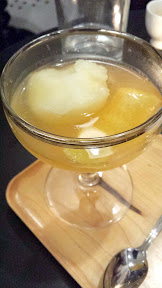
The Nordic Palmer an awesome cocktail
Nordic Palmer
Sparkling Iced Tea Mead, RI-Style Frozen Lemonade
The Nordic Palmer: scoop of Rhode Island Style Frozen Lemonade sorbet with Sparking Iced Tea from Main Mead Works.
Wednesday, January 29, 2014
Joseph dit CHATELLERAUT ROY b: 25 AUG 1709 in St. Anne, Quebec, Canada
Marriage 1 Joseph dit CHATELLERAUT (166) ROY b: 25 AUG 1709 in St. Anne, Quebec, Canada •Married: 1736 1
Sources: 1.Repository: Name: RootsWeb WorldConnect Project
Note:
Title: worldconnect.rootsweb.ancestry.com
Author: various
Note:
Note: http://worldconnect.rootsweb.ancestry.com/cgi-bin/igm.cgi?op=GET&db=patlechuga&id=I18274
Note: • ID: I18274 • Name: Joseph Carlos dit Chatellereau ROY • Given Name: Joseph Carlos dit Chatellereau • Surname: ROY • Sex: M • _UID: CC995C911C17DC46880012235EC3ADB0E29D • Change Date: 19 May 2009 • Note: Notes for Joseph dit Chatellereas Roy: Joseph dit Chatellerault, a voyageur and native of Quebec, worked out of Detroit, then settled at Kaskaskia, Illinois. After the death of 1st wife Madeleine Perthius, he left for lower Louisiana, arriving at Pointe Coupee in 1743.
Notes for Joseph dit Chatellereas Roy: Joseph dit Chatellerault, a voyageur and native of Quebec, worked out of Detroit, then settled at Kaskaskia, Illinois. After the death of 1st wife Madeleine Perthius, he left for lower Louisiana, arriving at Pointe Coupee in 1743. 1 2 3 • Birth: 25 AUG 1709 in St. Anne De Beaupre, Quebec, Canada • Death: 10 OCT 1761 in New Roads, Point Coupee, Louisiana • Burial: 10 OCT 1761 New Roads, Pointe Coupee Parish, Louisiana • Baptism: 25 AUG 1709 St Anne De Beaupre, Quebec, Canada • Reference Number: HQSG-GT
Father: Edmond dit Chatellereau ROY b: 1675 in St. Anne De Beaupre, Quebec, Canada Mother: Marie Anne JANVIER b: 20 APR 1682 in La Perade, Champlain, Quebec, Canada c: 1684
Marriage 1 Petronile "Perrine" LACOUR b: 5 SEP 1727 in Natchez, Adams, Mississippi • Married: 30 JAN 1743/44 in Pointe Coupee, Pointe Coupee, Louisiana • Note:
Witnesses to the Marriage: Monsieur de Favrot, Commandant of the Post of Pointe Coupee, Trenonay Chanfret, Simon François Calais, Pierre Motais, and Jean Labbé.
The 1745 Pointe Coupee Census shows this couple with their son, Joseph, at the breast. Also living with them ws Pierre Landerneau, age 19. Children 1. Joseph-Noel ROY b: 8 MAY 1745 in Pointe Coupee Post, Louisiana c: 27 MAY 1745 in Pointe Coupee Post, Louisiana 2. Marie-Jeanne ROY b: 28 FEB 1747 in New Roads, Pointe Coupee, Louisiana, USA c: 28 FEB 1746/47 in Pointe Coupee Post, Louisiana 3. Jacques Noel ROY b: 25 DEC 1749 in Pointe Coupee, Louisiana 4. Elizabeth (Isabelle) ROY b: 15 JAN 1753 in Pointe Coupee, Louisiana c: 25 FEB 1753 in St. Francis, Pointe Coupee, Louisiana 5. Marie Therese ROY LACOUR b: 18 OCT 1764 in Pointe Coupee Parish, LA 6. Suzanne ROY b: 8 FEB 1758 in Point Coupee Post, Louisiana c: 19 MAR 1758 in Point Coupee, Louisiana 7. Eleanore ROY b: 27 MAY 1760 in Pointe Coupee Post, Louisiana c: 7 JUL 1760 in St. Francis, Pointe Coupee, Louisiana 8. Augustin ROY b: 22 NOV 1766 in Point Coupee, Louisiana 9. Joseph ROY b: 8 MAY 1745 in Pointe Coupee Parish, Louisiana
Marriage 2 Marie Madeleine PERTHUIS • Married: 1736 in Detroit, Michigan
Sources: 1. Abbrev: joseph carlos Title: Title: Ancestors of Janice M. Chatelain Publication: http://bellsouthpwp.net/j/a/janchat/rouensa/index.htm Repository: Media: Other Page: Generation 9 Title: The Church of Jesus Christ of Latter-Day Saints Publication: Ancestral File, v4.19 Copyright (c) 1987, June 1988, data as of 5 January 1998 Repository: Note: Family History Library, 35 N West Temple Street, Salt Lake City, Utah, 84150 USA Media: Book Title: Ancestors of Janice M. Chatelain Publication: http://bellsouthpwp.net/j/a/janchat/rouensa/index.htm Repository: Media: Other Page: Generation 8
Publication: http://bellsouthpwp.net/j/a/janchat/rouensa/index.htm Repository: Media: Other Page: Generation 9 Title: The Church of Jesus Christ of Latter-Day Saints Publication: Ancestral File, v4.19 Copyright (c) 1987, June 1988, data as of 5 January 1998 Repository: Note: Family History Library, 35 N West Temple Street, Salt Lake City, Utah, 84150 USA Media: Book Title: Ancestors of Janice M. Chatelain Publication: http://bellsouthpwp.net/j/a/janchat/rouensa/index.htm Repository: Media: Other Page: Generation 8
Publication: http://bellsouthpwp.net/j/a/janchat/rouensa/index.htm Repository: Media: Other Page: Generation 9 Title: The Church of Jesus Christ of Latter-Day Saints Publication: Ancestral File, v4.19 Copyright (c) 1987, June 1988, data as of 5 January 1998 Repository: Note: Family History Library, 35 N West Temple Street, Salt Lake City, Utah, 84150 USA Media: Book Title: Ancestors of Janice M. Chatelain Publication: http://bellsouthpwp.net/j/a/janchat/rouensa/index.htm Repository: Media: Other Page: Generation 8 . 2. Abbrev: Ancestors of Janice M. Chatelain Title: Ancestors of Janice M. Chatelain (http://bellsouthpwp.net/j/a/janchat/rouensa/index.htm)ouensa/index.htm. Note: Call number: Page: Generation 9 3. Abbrev: The Church of Jesus Christ of Latter-Day Saints Title: The Church of Jesus Christ of Latter-Day Saints (Ancestral File, v4.19 Copyright (c) 1987, June 1988, data as of 5 January 1998)opyright (c) 1987, June 1988, data as of 5 January 1998. Note: Call number:
Family History Library, 35 N West Temple Street, Salt Lake City, Utah, 84150 USA
http://wc.rootsweb.ancestry.com/cgi-bin/igm.cgi?op=GET&db=dulva&id=P2377
Sainte Anne de Beaupré
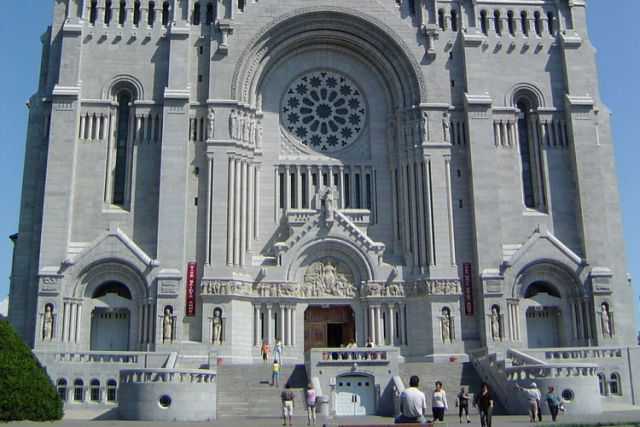 Devotion to Saint Anne, in Canada, goes back to the beginning of New France, and was brought thither by the first settlers and early missionaries. The hardy pioneers soon began to till the fertile soil of the Beaupré hillside; in the region which now forms the parish of Sainte Anne de Beaupré the first houses date from the year 1650. Nor was it long before the settlers built themselves a chapel where they might meet for Divine worship. One of their number, the Sieur Etienne Lessard, offered to give the land required at the spot which the church authorities should find suitable. On 13 March, 1658, therefore, the missionary, Father Vignal, came to choose the site and to bless the foundation of the proposed chapel which, by general consent, was to be dedicated to St. Anne. The very day the Saint showed how favourably she viewed the undertaking by healing Louis Guimont, an inhabitant of Beaupré, who suffered terribly from rheumatism of the loins. Full of confidence in St. Anne, he came forward and placed three stones in the foundations of the new building, whereupon he found himself suddenly and completely cured of his ailment.
This first authentic miracle was the precursor of countless other graces and favours of all kinds. For two centuries and a half the great wonder-worker has ceaselessly and lavishly shown her kindness to all the sufferers who from all parts of North America flock every year to Beaupré to implore her help. The old church was begun in 1676, and used for worship until 1876, when it was replaced by the present one, opened in October of that year. This last was built of cut stone, by means of contributions from all the Catholics of Canada. The offerings made by pilgrims have defrayed the cost of fittings and decoration. It is two hundred feet long, and one hundred wide, including the side chapels. Leo XIII raised it to the rank of a minor basilica 5 May, 1887; on 19 May, 1889, it was solemnly consecrated by Cardinal Taschereau, Archbishop of Quebec. It has been served by the Redemptorists since 1878. On either side of the main doorway are huge pyramids of crutches, walking-sticks, bandages, and other appliances left behind by the cripples, lame, and sick, who, having prayed to St. Anne at her shrine, have gone home healed.
Relics
The canons of Carcassonne, at the request of Monseigneur de Laval, first Bishop of Quebec, sent to Beaupré a large relic of the finger-bone of Saint Anne, which was first exposed for veneration on 12 March, 1670, and has ever since been an object of great devotion. Three other relics of the saint have been added in later times to the treasures of this shrine. In 1892 Cardinal Taschedreau presented the Great Relic to the basilica, the wrist-bone of St. Anne. It measures four inches in length, and was brought from Rome by Msgr. Marquis, P.A.
Pilgrimage
The pilgrimage to Beaupré has not always had the importance which it has gained in our time. Only in the last quarter of the nineteenth century did it attain to the growth, organization, and fame which now render it comparable with the great pilgrimages to Lourdes. Until 1875 the yearly number of pilgrims did not exceed 12,000, but to judge by the heap of crutches left at the saint's feet, there must always have been many marvellous cures wrought at Beaupré. More favourable conditions — including the strong impulse given by Cardinal Taschereau and his suffragans, the zeal of the Canadian clergy in organizing pilgrimages, improved modes of transportation, and the monthly "Annales de la Bonne Sainte Anne" — made possible the truly wonderful growth of these pilgrimages in the early twentieth century. Devotion to St. Anne is today more than ever the devotion of the Canadians.
http://www.newadvent.org/cathen/01539b.htm
Devotion to Saint Anne, in Canada, goes back to the beginning of New France, and was brought thither by the first settlers and early missionaries. The hardy pioneers soon began to till the fertile soil of the Beaupré hillside; in the region which now forms the parish of Sainte Anne de Beaupré the first houses date from the year 1650. Nor was it long before the settlers built themselves a chapel where they might meet for Divine worship. One of their number, the Sieur Etienne Lessard, offered to give the land required at the spot which the church authorities should find suitable. On 13 March, 1658, therefore, the missionary, Father Vignal, came to choose the site and to bless the foundation of the proposed chapel which, by general consent, was to be dedicated to St. Anne. The very day the Saint showed how favourably she viewed the undertaking by healing Louis Guimont, an inhabitant of Beaupré, who suffered terribly from rheumatism of the loins. Full of confidence in St. Anne, he came forward and placed three stones in the foundations of the new building, whereupon he found himself suddenly and completely cured of his ailment.
This first authentic miracle was the precursor of countless other graces and favours of all kinds. For two centuries and a half the great wonder-worker has ceaselessly and lavishly shown her kindness to all the sufferers who from all parts of North America flock every year to Beaupré to implore her help. The old church was begun in 1676, and used for worship until 1876, when it was replaced by the present one, opened in October of that year. This last was built of cut stone, by means of contributions from all the Catholics of Canada. The offerings made by pilgrims have defrayed the cost of fittings and decoration. It is two hundred feet long, and one hundred wide, including the side chapels. Leo XIII raised it to the rank of a minor basilica 5 May, 1887; on 19 May, 1889, it was solemnly consecrated by Cardinal Taschereau, Archbishop of Quebec. It has been served by the Redemptorists since 1878. On either side of the main doorway are huge pyramids of crutches, walking-sticks, bandages, and other appliances left behind by the cripples, lame, and sick, who, having prayed to St. Anne at her shrine, have gone home healed.
Relics
The canons of Carcassonne, at the request of Monseigneur de Laval, first Bishop of Quebec, sent to Beaupré a large relic of the finger-bone of Saint Anne, which was first exposed for veneration on 12 March, 1670, and has ever since been an object of great devotion. Three other relics of the saint have been added in later times to the treasures of this shrine. In 1892 Cardinal Taschedreau presented the Great Relic to the basilica, the wrist-bone of St. Anne. It measures four inches in length, and was brought from Rome by Msgr. Marquis, P.A.
Pilgrimage
The pilgrimage to Beaupré has not always had the importance which it has gained in our time. Only in the last quarter of the nineteenth century did it attain to the growth, organization, and fame which now render it comparable with the great pilgrimages to Lourdes. Until 1875 the yearly number of pilgrims did not exceed 12,000, but to judge by the heap of crutches left at the saint's feet, there must always have been many marvellous cures wrought at Beaupré. More favourable conditions — including the strong impulse given by Cardinal Taschereau and his suffragans, the zeal of the Canadian clergy in organizing pilgrimages, improved modes of transportation, and the monthly "Annales de la Bonne Sainte Anne" — made possible the truly wonderful growth of these pilgrimages in the early twentieth century. Devotion to St. Anne is today more than ever the devotion of the Canadians.
http://www.newadvent.org/cathen/01539b.htm
Saturday, September 21, 2013
In this cemetery lie the unmarked graves of soldiers of French descent who settled in Avoyelles, having fought in the American Revolutionary War Battle of Baton Rouge under Galvez in 1779.

Joseph Roy

The ROY families of Louisiana
The ROY families of Louisiana can be traced back to France through Canada. However, the Roys cannot be traced to only one particular individual. There were Roy families at Natichotches Post, and Pointe Coupee Post, Opelousas Post, New Orleans, and other locations during the colonial period of Louisiana.
Of the Roy's in Avoyelles, the most numerous is that of Joseph-Marie Roy . The first of this particular line of Roys to migrate from France to Canada was Nicholas Roy . He was from St.-Remi of Dieppe, son of Louis LeRoy and Anne Lemaitre. He came to Canada in May, 1662, on the ship "le Jardin de Hollande". He married at St. Therese Parish, Dieppe, Normandy, France, in 1633 Jeanne Lelievre, daughter of Guillaume Lelievre. Nicholas and Jeanne settled at Quebec, where their son Noel was born in 1633.
Noel married Jeanne Therese Casse. Jean Noel Roy , son of Noel and Jeanne, was born on June 8, 1698, thus becoming the third generation of Roys in Canada. He married Angelique LaCasse on January 25, 1725. They were the parents of Joseph-Marie Roy .
Joseph-Marie married Julie Bizet, of which there are known to have been at least seven children. They are placed in Avoyelles by 1792 through land purchase records.
Joseph-Marie married Julie Bizet, of which there are known to have been at least seven children. They are placed in Avoyelles by 1792 through land purchase records.
There was another Joseph Roy family at Pointe Coupee earlier than that of the Joseph-Marie Roy family. Joseph called Chatellereau was a native of st. Anne de Beaupre Parish, Quebec. He married Perrine Lacour of Pointe Coupee on January 30, 1744. Perrine was the daughter of Nicholas Lacour and Perrine Brette. The ancestory of Joseph called Chatellereau can be traced through Canada to France. The first of that family in Canada was Michel Roy called Chatellereau , who was born and baptized in the Diocese of Senilet, Poitiers, France, in 1649.
Roy Genealogy by way of Canada
A Roy from Canada via Detroit and Illinois settled at Pointe Coupée during the 1740s. Two of his sons moved to the Opelousas prairies in the 1780s. During the early antebellum perisome of his grandsons settled at Atakapas, but most of his descendants remained in St. Landry Parish. No other Roy family in Louisiana, Acadian or non-Acadian, equaled this one in numbers: Descendants of Joseph ROY dit Châtellerault (c1709-1761) Joseph dit Châtellerault, son of Emond Roy and Marie-Anne Janvier, born at Ste.-Anne, near Québec, Canada, in c1709, got his dit from his paternal grandfather, Michel Roy dit Châtellerault, who came from Poitou to Canada in the late 1670s. Joseph "first worked out of Detroit, then settled for a time in Kaskaskia, Illinois," where he married Marie-Madeleine Perthuis. After his wife's death, Joseph drifted down to Pointe Coupée, where he remarried to Pérrine, daughter of Nicolas Lacour of Natchez, in January 1744. Their daughters married into the Goudeau, Guilcrest or Gilchrist, Hébert (French Creole, not Acadian), and Leonard families. Joseph dit Châtellerault died at Pointe Coupée in October 1761; the priest who recorded his burial did not give Joseph's age at the time of his death, but he probably was in his early 50s. One of his daughters settled at Ascension. His two married sons moved to the Opelousas prairies by the 1780s, where they created vigorous lines of the family. Oldest son Pierre died at Pointe Coupée in October 1748. The priest who recorded his burial said that Pierre was 10 years old when he died, but, judging from his parents' marriage date, he probably was younger. Joseph-Noël, born at Pointe Coupée in May 1745, married Marie-Louise, daughter of Gaspard Bélonie of New Orleans, at Pointe Coupée in July 1769, and remarried to Anne, called Manette and Nanette, daughter of French Creole Nicolas Bordelon, at Pointe Coupée in May 1770. They moved to Grand Prairie, north of present-day Opelousas, in the 1780s. Their son Joseph-Noël, fils was born at Pointe Coupée in May 1771, Jean-Baptiste was baptized at Pointe Coupée, age unrecorded, in November 1775, Valerien, also called Valéry, at age 6 months in March 1781, Leufroi was born probably at Opelousas in c1782, and another Joseph was born in February 1784 but died at age 9 in August 1793. They also had a son named Solastie or Lastie. Their daughters married into the Bordelon, Dupré, Nezat, and Wyble families. Joseph, fils served as major domo, or trustee, of the Opelousas church. His first succession record, which called him a widower, was filed at the Opelousas courthouse in October 1807. Joseph, fils, described as a "native of Pointe Coupee and inhabitant of this parish of St. Landry for about 40 years," died "at his home at a place called 'Le vieux vilage (the Old Town) and received all the sacraments with sentiments of a very strong faith and great piety" in January 1817; he was 71 years old; his final succession record was filed at the Opelousas courthouse in February 1818 Two of his sons settled in St. Martin Parish, but his other sons and most of his grandsons remained in or returned to St. Landry Parish. A few of his descendants married Acadians, but most of them married Creoles and fellow French Canadians. They were especially fond of spouses from the Nezat and Fontenot families. Joseph-Noël, fils, by his second wife, married Euphrosine, called Frosine, daughter of French Creole Joseph Carriere, at Opelousas in 1794 and settled on La Prairie Carriere in what became St. Landry Parish. Their son Valerien le jeune, called Valière, was baptized at Opelousas, age unrecorded, in March 1798, a child, perhaps a son, name unrecorded, died at age 6 weeks in January 1810, Joseph-Noël III was born October 1811, and Pierre in November 1814. Their daughters married into the Arnaud, DeVillier, Nezat, and Wyble families. Joseph III's succession and estate records were filed at the Opelousas courthouse in December 1824 and January 1825; he would have been in his early 50s. Valière married Sophie Coulon, daughter of French Creole Francois Coulon DeVillier of Petit Bois, at the Opelousas church, St. Landry Parish, in January 1818. Their son Valière, fils was born in St. Landry Parish in February 1818, Valéry le jeune in November 1824, Joseph le jeune in August 1829, Lastie le jeune in March 1831, and Louis, a twin, in May 1836. Their daughters married into the Dejean, DeVillier, Hollier, Ney, Nezat, and Wyble families. Valière, père remarried to first cousin Marie Euphonie or Fannie, called Fannie, daughter of his uncle Solastie Roy and widow of Sosthène Arceneaux, in a civil ceremony in St. Martin Parish in June 1843; he was in his 40s and she in her 30s. Fannie died near Breaux Bridge, St. Martin Parish, in February 1849; she was only 39 years old; her succession record was filed at the St. Martinville courthouse in April; she gave him no more children. Valière, père remarried again--his third marriage--to Marie Divine, called Divine, daughter of French Creole Clément Hollier, at the Opelousas church in July 1850; he was 52 years old. Their son Armogaste or Armogatine was born in St. Landry Parish in May 1851 but died at age 5 1/2 in September 1856, and Victor Henry Landry was born in February 1859 when his father was in his early 60s. In November 1850, the federal census taker in St. Landry Parish counted a single slave--a 50-year-old mulatto female--on Valière's Roy's farm. Valière died in St. Landry Parish in September 1860; the priest who recorded his burial said that Valière was 64 years old when he died; his succession record was filed at the Opelousas courthouse 2 days after his death. Valéry le jeune, by his first wife, married cousin Théotiste, 15-year-old daughter of Valéry Roy l'aîné at the Grand Coteau church, St. Landry Parish, in September 1842. In November 1850, the federal census taker in St. Landry Parish counted 2 slaves--a 23-year-old female and a 1-year-old female, both black--on Valéry Roy's farm next to Widow N. Roy's plantation. Valéry le jeune may have remarried to French Canadian Carmelite or Ermeline Istre probably at Grand Coteau. If so, their son Valéry, fils was baptized at the Vermilionville church, Lafayette Parish, age 4 months, in June 1861, Cyprien le jeune was born near Grand Coteau in December 1862, and Joseph le jeune in Lafayette Parish in May 1865. Joseph le jeune, by his first wife, married Catherine Séraphine, called Séraphine, daughter of Thomas Wadswatts Farrar, at the Opelousas church, St. Landry Parish, in May 1851. Their son Henri was born in St. Landry Parish in February 1854, and Charles Jefferson in October 1856. Joseph Noël III married Uranie, daughter of French Creole ____ Bordelon, at the Opelousas church, St. Landry Parish, in August 1835. Joseph Noël III's succession record was filed at the Opelousas courthouse in January 1838; he would have been only 27 years old that year. Their daughter married into the Carriere and Langlois families. Joseph and Uranie had no sons, so this line of the family, except for its blood, did not continue. In November 1850, the federal census taker in St. Landry Parish counted 2 slaves--a 22-year-old black male, and a 10-year-old black males--on Widow Joseph Roy's farm; this may have been Uranie Bordelon. Pierre, soon after his mother died, petitioned the parish court for emancipation in November 1834. He married Octavie, daughter of French Creole Damonville Dejean, at the Opelousas church, St. Landry Parish, in December 1853; he was 39. Their son Joseph Lucien was born in St. Landry Parish in October 1854, and Jean Paul in November 1860. Solastie, by his second wife, married Marie, daughter of Pierre Nezat of Layrac, France, probably at Atakapas in c1803. They settled at L'Anse des Charpentiers in the Atakapas District. Their child, perhaps a son, name unrecorded, died at birth in August 1807, a son, name unrecorded, died at age 9 days September 1811, twins Alexandre and Pierre were born in October 1812, Solastie Cyprien, called Cyprien, in November 1814, a son, name unrecorded, died at age 5 months in October 1820, Solastie Linville, called Solastie and Lastie, fils, was born in April 1823, and Pierre Linville in c1826 but died at age 6 1/2 in November 1833. Their daughters married into the Arceneaux, Caillier, Domengeaux, Guidry, and Roy families. Solastie, "born in Opel." the recording priest noted, died in St. Martin Parish in March 1836; the priest said that Solastie was 61 years old when he died; his succession record was filed at the St. Martinville courthouse the day before he died. Cyprien married first cousin Marie Celina, called Celina, daughter of his uncle Leufroi Roy, at the St. Martinville church, St. Martin Parish, in October 1838. Their son Cyprien Solastie, fils, called Lasty, was born in St. Martin Parish in October 1840 but died at age 8 in November 1848, and Leufroi le jeune was born in October 1844. Their daughter married into the Chiasson family. Cyprien remarried to French Creole Séraphine Sezan, widow of Leufroi Mora, in a civil ceremony in St. Martin Parish in August 1857; Cyprien was in his early 40s. He remarried again--his third marriage--to Acadian Adolphine Guilbeau in a civil ceremony in St. Martin Parish in September 1859; he was in his mid-40s. Their son Francois Adrien was born near Arnaudville, St. Landry Parish, in June 1860, Pierre Cyprien in August 1861, Joseph Osémé in October 1862, and Joseph Lucien in February 1865. In 1860, the federal census taker in St. Landry Parish counted 7 slaves--5 males and 2 females, all black except for 2 mulattoies--ranging in age from 22 to 1--on Cyprien Roy's farm. Leufroi le jeune, by his first wife, married Ursule, daughter of Francois Mathieu, at the Breaux Bridge church, St. Martin Parish, in November 1865; Ursule's mother was a Trahan. In November 1850, the federal census taker in St. Martin Parish counted 8 slaves--5 males, 3 females, all black, ranging in age from 35 to 2--on Alexr Roy's farm. Alexandre married Palmire, daughter of Acadian Placide Thibodeaux and widow of Antoine Arnaud, at the St. Martinville church, St. Martin Parish, in April 1858; he was 45 years old. They settled at Breaux Bridge. Their son Louis died at age 1 in January 1860. In June 1860, the federal census taker in St. Martin Parish counted 13 slaves--7 males and 6 females, all black, ages 75 to 7, living in 4 houses--on Alexandre Roy's farm; she was his brother Cyprien's widow. Alexandre remarried to Marie Aspasie, called Aspasie, daughter of Acadian Jean Louis Bernard and widow of J. Guilbeau, at the Grand Coteau church, St. Landry Parish, in September 1861; he was in his late 40s. Their son Alexandre Demeval was born near Breaux Bridge in July 1862. In June 1860, the federal census taker in St. Martin Parish counted 11slaves--6 males and 5 females, 5 blacks and 6 mulattoes, ranging in age from 46 to 1--on Solasty's Roy's farm; this may have been Solastie, fils, who may not have married. Valéry, by his second wife, married Brigitte, another daughter of Pierre Nezat, at Atakapas in October 1804. They settled on Bayou Teche. Their son Jean Valéry was born at Atakapas in September 1805, Pierre Ulgère, called Ulgère, in May 1807, Sosthène in December 1821, and Nicolas Alcide, called Alcide, in June 1827. Their daughters married into the Landry, Nezat, Ozere, Rider, Roy, and Valin families. Valéry's succession record was filed at the Opelousas courthouse in April 1836; he would have been 56 years old that year. His sons returned to St. Landry Parish. Pierre Ulgère married double cousin Annette or Nanette Zelia or Zeline, 17-year-old daughter of French Creole Alexandre Nezat, at the Opelousas church, St. Landry Parish, in September 1831; Nanette's mother was a Roy. Their son Pierre Ulgère, fils was born in St. Landry Parish in November 1832, Paul Émile in March 1840, Joseph le jeune in June 1841, Paul Alexandre, called Alexandre, in September 1845, Jean Baptiste Ernest in February 1849, and Henri Omer in February 1852. Their daughters married into the Bernard and Nezat families. In November 1850, the federal census taker in St. Landry Parish counted 14 slaves--7 males and 7 females, all black, ranging in age from 60 to 2--on Pre. Ulgèr Roy's farm next to Widow N. Roy's plantation. Joseph le jeune married Félicienne, daughter of French Creole Honoré, at the Opelousas church, St. Landry Parish, in June 1859. Pierre Ulgère, fils married Azema, daughter of Jules Mestric or Mistric, at the Opelousas church, St. Landry Parish, in June 1865. Alexandre married cousin Philomène, daughter of French Creole Alexandre Nezat, at the Opelousas church, St. Landry Parish, in December 1865. Sosthène died in St. Landry Parish in January 1845. He was only 23 years old and probably did not marry. Alcide died in St. Landry Parish in November 1864. The priest who recorded his burial said that "Alces" died "at age 35 yrs.," but he was 37. He probably did not marry. Leufroi, by his second wife, married Delphine, daughter of French Creole Nicolas Guénard, at the St. Martinville church, St. Landry Parish, in June 1811. They also settled at L'Anse des Charpentiers. Their son Leufroi, fils was born in February 1814, a son, name unrecorded, died at birth in June 1821, another son, name unrecorded, died at age 5 months in August 1830, and yet another son, name unrecorded, died at age 1 in October 1832. Their daughters married into the Dutel or Duteil and Roy families. Leufroi died in St. Martin Parish in October 1842; he was 61 years old and a widower; his succession record was filed at the St. Martinville courthouse the following December. Leufroi, fils married Adeline, daughter of French Creole Jean Caillier, at the St. Martinville church, St. Martin Parish, in June 1838. Leufroi, fils died the following August. His family line died with him. Jean Baptiste died in St. Landry Parish in October 1842. He was 67 years old and may not have married. Noël-Jacques, born at Pointe Coupée in December 1749, married French Creole Pérrine Bordelon probably at Pointe Coupée. Their son Noël-Jacques, fils, was baptized at Pointe Coupée, age unrecorded, in December 1775, Jean-Baptiste-Noël was baptized at Opelousas, age 4 months, in June 1780, and Joseph was born in November 1791. Their daughters married into the Bogard, Fontenot, and Moreau families. Noël died at Opelousas in January 1792; he was only 43 years old; his succession record was filed at what became the Opelousas courthouse in March. His descendants remained in what became St. Landry Parish. Noël Jacques, fils married Céleste or Célestine, daughter of Michel Wyble, at Opelousas in November 1802. Their son Noël III had been born at Opelousas in July 1802, Cyprien was born in St. Landry Parish in November 1808, Michel was baptized at the Opelousas church, age 2, in September 1812, Euphrosin, called Frosin, was born in February 1813 and baptized at the Opelousas church, St. Landry Parish, age 32, in April 1845, Louis, called Don Louis Noël, was born in November 1824, Francois in February 1828, and Syphroi in October 1829. Their daughters married into the Bergeau, Frugé, Lasage, Miller, and Teller families. In November 1850, the federal census taker in St. Landry Parish counted 30 slaves--14 males and 16 females, all black, ranging in age from 100 to 2--on Widow N. Roy's plantation; this may have been Céleste Wyble; her plantation was between the farms of Pre. Ulgèr and Valéry Roy. Noël III married Eugènie, daughter of French Creole Louis Menard of New Orleans, at the Opelousas church, St. Landry Parish, in February 1826. Their son David was born in St. Landry Parish in February 1831, Joseph near Grand Coteau in October 1840, Francois near Opelousas in November 1844, and Sylvanie near Grand Coteau in August 1853. Their daughters married into the Fontenot, Maillard or Mayer, and Trahan families. Noël's succession record was filed at the Opelousas courthouse in August 1861; he would have been 59 years old that year. David married fellow French Canadian Adeline Istre in a civil ceremony in St. Landry Parish in August 1854. Their son Eugène Dorsin was born near Grand Coteau in January 1857, David Donce in November 1858, and Joseph Dorsele in April 1860. Michel married Désirée, daughter of Italian Creole Francois Marcantel, in a civil ceremony in St. Landry Parish in February 1831, and sanctified the marriage at the Grand Coteau church, St. Landry Parish, in October 1843. Their son Désiré was born in St. Landry Parish in December 1831, Michel, fils in January 1834, Édouard in August 1841, Duprélong in August 1846, Théodule near Grand Coteau in May 1849, and Arthur near Opelousas in December 1859. Their daughter married into the Courville family. Édouard married Lezida Pascalie, daughter of French Canadian Pierre Bertrand, in a civil ceremony in St. Landry Parish in August 1861. Euphrosin married Marie Carmelite, called Carmelite, Angélique, and Julie, daughter of German Creole Jean Miller, in a civil ceremony in St. Landry Parish in January 1845; Carmelite's mother was a Boutin. Their son Euphrosin, fils had been born in St. Landry Parish in October 1833, André in May 1835, and Firmin in September 1850. Don Louis married Céleste or Célestine Belaire, daughter of French Creole Augustin Charles Fontenot, in a civil ceremony in St. Landry Parish in January 1845, and sanctified the marriage at the Grand Coteau church, St. Landry Parish, the following November. Their son Don Louis, fils was born near Grand Coteau in October 1845, and Félicien in July 1862. They were living in the Church Point area, then in St. Landry but now in Acadia Parish, in the early 1850s. Louis, fils may have married Aimée Clay at the Opelousas church, St. Landry Parish, in August 1860. Syphroi married Agnès Aureline, called Aureline, daughter of French Canadian Pierre Bertrand, in a civil ceremony in St. Landry Parish in June 1848. Their son Pierre Syphroi was born near Grand Coteau in February 1850, Noël Arcade in August 1852, Francois Philomène near Opelousas in February 1859, and Pierre Frosin Jean Baptiste in June 1861. Jean Baptiste Noël married Francoise, daughter of French Creole Pierre Doucet, at Opelousas in February 1806. Their son Jean Baptiste, fils was baptized at the Opelousas church, St. Landry Parish, age 3 months, in December 1811, and Pierre was born in February 1814. Their daughters married into the Bello and Lambert (Slavic, not Acadian) families. Jean Baptiste Noël died in St. Landry Parish in November 1829; he was 50 years old. Jean Baptiste, fils married Elise or Lise, daughter of Acadian Charles Pitre, in a civil ceremony in St. Landry Parish in November 1834. Their son Jean Baptiste Armas was born in St. Landry Parish in October 1837, Iras Jean Baptiste in November 1840, and Arthur Jean Baptiste in March 1847. Their daughters married into the Comeaux and Stagg families. In October 1850, the federal census taker in St. Landry Parish counted 14 slaves--7 males and 7 females, all black, ranging in age from 40 to 1--on Jn. Bte. Roy's farm. Pierre may have married French Creole Hortense Cléophine or Théophile Dupré in a civil ceremony in St. Landry parish in May 1839 or 1840. Their son Pierre Aurelien was born in St. Landry Parish in March 1841, Joseph in October 1842, Charles Arthur in November 1846, and Achille Ovide in May 1850. In November 1850, the federal census taker in St. Landry Parish counted 3 slaves--all female, all mulattoes, ages 24, 12, and 5--on Pierre
| ||||||||||||
Subscribe to:
Posts (Atom)